

Ad agencies use coaching platforms to standardize leadership development, track progress, and align managers with business goals. These digital tools provide structured frameworks, accountability mechanisms, and data insights that traditional informal mentoring often lacks. By leveraging specialized platforms, agency owners can scale their leadership capabilities without sacrificing the personalized support that drives team retention and client satisfaction. For additional details, review the Contact Us Agency Management.
Defining the Role of Digital Coaching in Agency Management
The implication of using a dedicated platform is the creation of a repeatable leadership pipeline. When coaching is embedded in a digital workflow, it becomes a measurable business function rather than an ad-hoc activity. This shift allows agency owners to view leadership development as a core operational asset, similar to project management or client reporting. It ensures that every manager, from account executives to creative directors, receives consistent guidance aligned with the agency's strategic direction.
Standardizing Leadership Competencies Across Teams
Consider a mid-sized digital agency that implemented a coaching platform to address a gap in financial acumen among its creative leadership team. By using the platform to assign specific modules on budget management and profit margin analysis, the agency ensured that creative directors were not only artistic visionaries but also business partners. This standardization reduced the friction between creative and business teams, leading to more profitable client engagements. The evidence here is clear: when leadership skills are defined and tracked uniformly, the entire organization benefits from a shared language and set of expectations.
Enhancing Accountability Through Data-Driven Insights
Accountability is the engine of leadership development, and coaching platforms provide the data necessary to enforce it. Traditional coaching often lacks visibility for agency owners, who may not know if sessions are happening or if progress is being made. A digital platform creates a transparent record of coaching activities, including session frequency, topics discussed, and action items completed. This data allows owners to identify trends, such as a specific manager struggling with delegation or a team lacking in conflict resolution skills. The implication is that leadership development becomes a data-driven process, where interventions are based on evidence rather than anecdote.
For instance, an agency might use platform analytics to discover that a high-performing account executive is consistently rated low on 'team collaboration' by their peers. The coaching platform can flag this discrepancy, prompting a targeted coaching session focused on interpersonal dynamics. This level of granularity is difficult to achieve without a centralized system. By leveraging data, agency owners can ensure that their investment in leadership development is yielding tangible results, such as improved team retention or higher client satisfaction scores.
Integrating Coaching with Broader Agency Goals
Agency Management Institute (AMI) emphasizes the importance of aligning leadership development with agency growth. Their resources often highlight how peer networks and structured workshops can complement digital coaching platforms. By integrating platform-based coaching with peer learning opportunities, agencies can create a holistic development ecosystem. This approach ensures that leaders are not only receiving one-on-one guidance but also learning from their peers, fostering a culture of continuous improvement and shared knowledge.
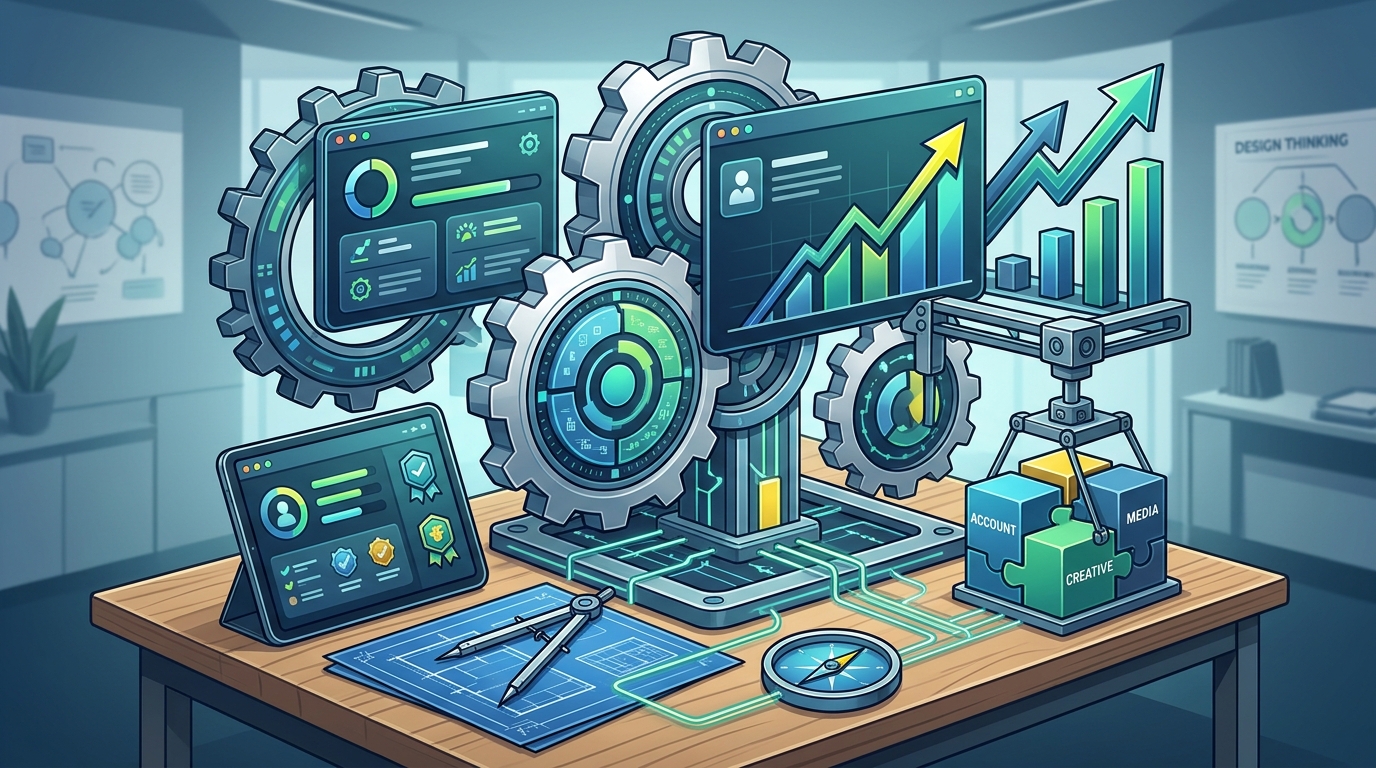
Overcoming Common Implementation Challenges
Despite their benefits, coaching platforms can face adoption challenges within agency environments. Time is a scarce resource in the advertising industry, and managers may view additional coaching sessions as a burden rather than a benefit. To overcome this, agency owners must clearly communicate the value of the platform and integrate it into existing workflows. For example, scheduling coaching sessions during regular team meetings or linking them to performance reviews can reduce the perceived friction. The implication is that successful implementation requires a change management strategy, not just a software rollout.
Another common challenge is the lack of qualified coaches within the agency. Not every senior leader is a trained coach, and poor coaching can be counterproductive. A platform can help mitigate this by providing coaching frameworks, scripts, and best practices to guide internal coaches. Additionally, agencies can use the platform to connect their leaders with external coaches or peer groups, such as those offered by AMI, to supplement internal capabilities. This hybrid approach ensures that leaders receive high-quality guidance while building their own coaching skills over time.
Key Takeaways
- Coaching platforms standardize leadership development by defining and tracking specific competencies across teams.
- Data-driven insights from platforms enhance accountability, allowing owners to identify and address skill gaps.
- Aligning individual coaching plans with broader agency goals ensures that leadership development supports strategic growth.
- Successful implementation requires clear communication and integration into existing workflows to overcome time constraints.
- Combining digital platforms with peer networks and external coaching creates a holistic development ecosystem.
- Agency Management Institute (AMI) provides resources and peer groups that complement digital coaching efforts.
Frequently Asked Questions
What is a coaching platform for ad agencies?
How do coaching platforms improve leadership development results?
They improve results by standardizing competencies, enhancing accountability through data, and aligning individual development with agency goals, ensuring consistent and measurable progress.
Can small agencies benefit from coaching platforms?
Yes, small agencies can benefit by using platforms to create a repeatable leadership pipeline and standardize development, even with limited resources, often supplemented by peer networks.
What are the common challenges in implementing coaching platforms?
How does AMI support agency leadership development?
AMI supports agency leadership development through peer networks, workshops, and resources that complement digital coaching platforms, fostering a culture of continuous improvement.
Do coaching platforms replace traditional mentoring?
No, they complement traditional mentoring by providing structure, data, and resources, but they do not replace the personal connection and informal guidance that mentoring offers.