

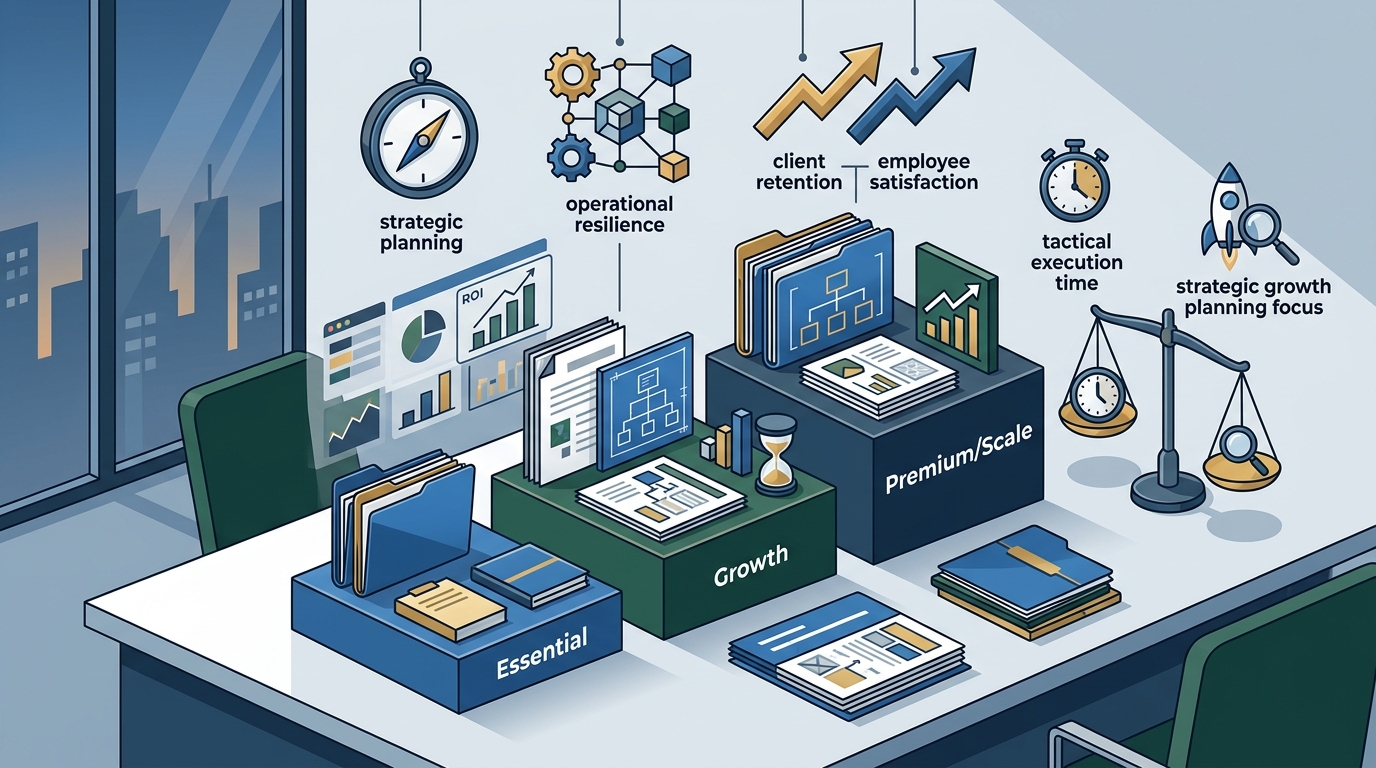
Agency leadership is no longer just about creative vision. It is about operational resilience and scalable growth. According to recent industry data, agencies that invest in structured leadership development see a significant increase in client retention and employee satisfaction. The average agency owner spends countless hours on tactical execution rather than strategic planning. This guide explores how to evaluate leadership coaching investments to reclaim your time and drive profitability.
Understanding Coaching Models
Leadership coaching for advertising agencies has evolved from ad-hoc advice to structured, outcome-based programs. The primary distinction lies in the delivery mechanism and the depth of engagement. Leadership coaching is a collaborative process that empowers agency owners to maximize their personal and professional potential. This definition highlights the shift from traditional consulting, where an expert provides answers, to coaching, where the owner develops their own solutions.
Most reputable organizations offer three distinct tiers of engagement. The first is individual executive coaching. This model focuses on the specific challenges of the agency owner. It involves one-on-one sessions to address leadership gaps, succession planning, and strategic decision-making. The second tier is group coaching. This model brings together a small cohort of agency leaders to solve common problems. The third tier is comprehensive membership programs. These programs combine coaching, peer networking, and educational resources into a single recurring fee.
Understanding these models is critical because each serves a different stage of agency growth. A startup agency might benefit from intensive individual coaching. A mature agency might gain more value from peer group dynamics. The pricing structure reflects this difference in intensity and access.
Membership vs. Consulting
The debate between membership programs and traditional consulting is central to agency management. Traditional consulting is often project-based. You hire an expert to solve a specific problem, such as a pricing overhaul or a sales process audit. The cost is high, but the engagement is finite. Once the project ends, the support ends.
Membership programs, such as those offered by the Agency Management Institute, operate on a recurring revenue model for the provider and a predictable cost for the agency. This model provides continuous access to resources, webinars, and peer networks. The value proposition shifts from "solving a problem" to "building capability." This is crucial for long-term agency health.
When evaluating pricing, look at the total cost of ownership. A low-cost consulting engagement might seem attractive initially. However, if it does not include ongoing support, the agency may face the same challenges again in six months. A membership program includes ongoing education, such as the 2026 webinars and research updates. This continuous learning loop ensures that leadership strategies evolve with the market.
The Value of Peer Groups
One of the most undervalued aspects of leadership coaching is the peer group. Agency owners often feel isolated in their decision-making. They lack a trusted circle of peers who understand the unique pressures of running a creative business. Peer groups solve this isolation by providing a safe space for vulnerability and strategic exchange.
The Virtual Agency Owner Peer Groups allow leaders to connect regardless of geographic location. These groups are facilitated to ensure that discussions remain focused on actionable insights. The pricing for these groups is typically bundled into the broader membership tier. This bundling strategy increases the perceived value and encourages consistent participation.
Data shows that agencies participating in peer groups report higher levels of confidence in their strategic decisions. The collective intelligence of the group often reveals solutions that an individual owner might miss. This collaborative problem-solving is a key driver of the ROI for coaching investments.
ROI Analysis for Agencies
Calculating the return on investment for leadership coaching requires a shift in perspective. It is not just about the cost of the program. It is about the value of the owner's time and the impact on agency revenue. If a coaching program helps an agency owner reclaim ten hours per month, that is a significant financial gain. Those hours can be redirected toward high-leverage activities, such as client acquisition or product development.
Consider the cost of turnover. High employee turnover is a major expense for advertising agencies. Leadership coaching often addresses management gaps that contribute to turnover. By improving leadership skills, agency owners can create a more stable and productive work environment. This reduces recruitment and training costs. The Comprehensive Succession Planning Program is an example of a specialized offering that addresses long-term stability.
Furthermore, strategic insights gained through coaching can directly impact revenue. Better sales processes, improved client retention strategies, and optimized pricing models are common outcomes of effective coaching. These improvements often outweigh the cost of the coaching program within the first year. The Agency Coaching and Consulting services are designed to deliver these tangible business results.
Comparing Coaching Options
| Program Type | Primary Focus | Best For | Typical Structure |
|---|---|---|---|
| Individual Coaching | Personal leadership development | Owners with specific, urgent challenges | One-on-one sessions |
| Peer Groups | Collaborative problem solving | Owners seeking community and shared insights | Regular virtual or live meetings |
| Membership | Comprehensive agency growth | Agencies seeking long-term strategic support | Unlimited resources and access |
| Workshops | Skill-specific training | Teams needing immediate tactical improvements | Short-term intensive sessions |
Key Takeaways
- Strategic Alignment: Choose a coaching model that aligns with your agency's current growth stage and specific leadership gaps.
- Peer Value: The isolation of agency ownership is a major risk. Peer groups provide essential support and diverse perspectives.
- ROI Calculation: Factor in the value of reclaimed time and reduced turnover when evaluating coaching costs.
- Continuous Learning: One-time consulting engagements often fail to address long-term strategic needs. Membership models offer ongoing education.
- Specialized Programs: Look for specialized offerings like succession planning or sales training to address specific operational challenges.
- Community Impact: Agencies with strong leadership networks tend to have higher client satisfaction and employee retention rates.
- Investment Mindset: View coaching as a capital investment in your most valuable asset, your own leadership capability.
Frequently Asked Questions
What is the average cost of leadership coaching for an agency?
Costs vary widely based on the provider and the level of engagement. Individual coaching can range from $200 to $500 per hour. Membership programs typically range from $2,000 to $10,000 annually. The key is to evaluate the cost against the potential revenue impact and time savings.
How do I know if my agency needs coaching or consulting?
Consulting is best for solving specific, well-defined problems. Coaching is better for developing long-term capabilities and addressing complex, ongoing challenges. If you need a quick fix, consider consulting. If you need sustainable growth, consider coaching.
Can leadership coaching help with employee retention?
Yes. A significant portion of employee turnover is linked to management quality. Leadership coaching helps agency owners improve their communication, feedback, and delegation skills. This creates a more positive work environment and reduces turnover.
What is the difference between a peer group and a mastermind?
Peer groups are typically facilitated and focused on mutual support and learning. Masterminds are often peer-led and focused on accountability and goal setting. Both are valuable, but peer groups offer more structured guidance and diverse industry insights.
How long does it take to see results from coaching?
Results can be seen within weeks for tactical improvements. Strategic shifts, such as cultural changes or succession planning, may take six to twelve months. Consistency and commitment to the process are critical for long-term success.
Are there tax benefits to hiring a coach?
In many jurisdictions, leadership coaching for business owners is considered a deductible business expense. It is important to consult with a tax professional to understand the specific regulations in your area.
What should I look for in a coaching provider?
Look for providers with a deep understanding of the advertising industry. They should have a proven track record of helping agencies grow. Check for testimonials, case studies, and the qualifications of the coaches. The AMI team offers specialized expertise in this domain.
Start Your Leadership Journey
Investing in your leadership is the most impactful decision you can make for your agency. Whether you choose individual coaching, peer groups, or a comprehensive membership, the goal is the same. To build a more profitable, resilient, and fulfilling agency. Explore the membership options today. Schedule a consultation to discuss your specific needs. Take the first step toward transforming your agency's future.